




Quick Answer
A wellness spending account can cover home office purchases when an employer includes ergonomic and work-from-home categories in its plan. It gives employers a controlled way to support remote staff while allowing employees to choose equipment that suits their space, comfort, and daily work.
Introduction
A wellness spending account can close the gap between traditional employee health benefits and the practical needs of remote work. Group insurance commonly focuses on medical care, while a poorly fitted chair, monitor, desk, or keyboard can make daily desk work less comfortable. Employers can define approved categories, reimbursement rules, and budgets without creating a separate reimbursement process for each team. The strongest programs support healthy work habits without assuming every employee needs the same setup.
Key Takeaways:
Employers can include ergonomic home office purchases in a customized wellness plan.
Clear eligible categories and receipt requirements prevent avoidable claim confusion.
Wellness funds provide more choice than a universal equipment purchase policy.
Why Home Office Support Belongs in Wellness Benefits
Remote and hybrid work have made the home workstation part of the employee experience, not a personal afterthought. Statistics Canada has documented sustained work-from-home patterns, which means employers need benefits that reflect where work actually happens. A wellness account for employees can make support available without dictating a single furniture brand or setup.
What a Home Office Wellness Category Can Include
Plan design determines which purchases qualify, so employers should describe categories in plain language and connect them to comfort, accessibility, or a functional workstation. A practical home office equipment coverage policy should distinguish durable workspace items from ordinary household purchases and require employees to submit supporting documentation.
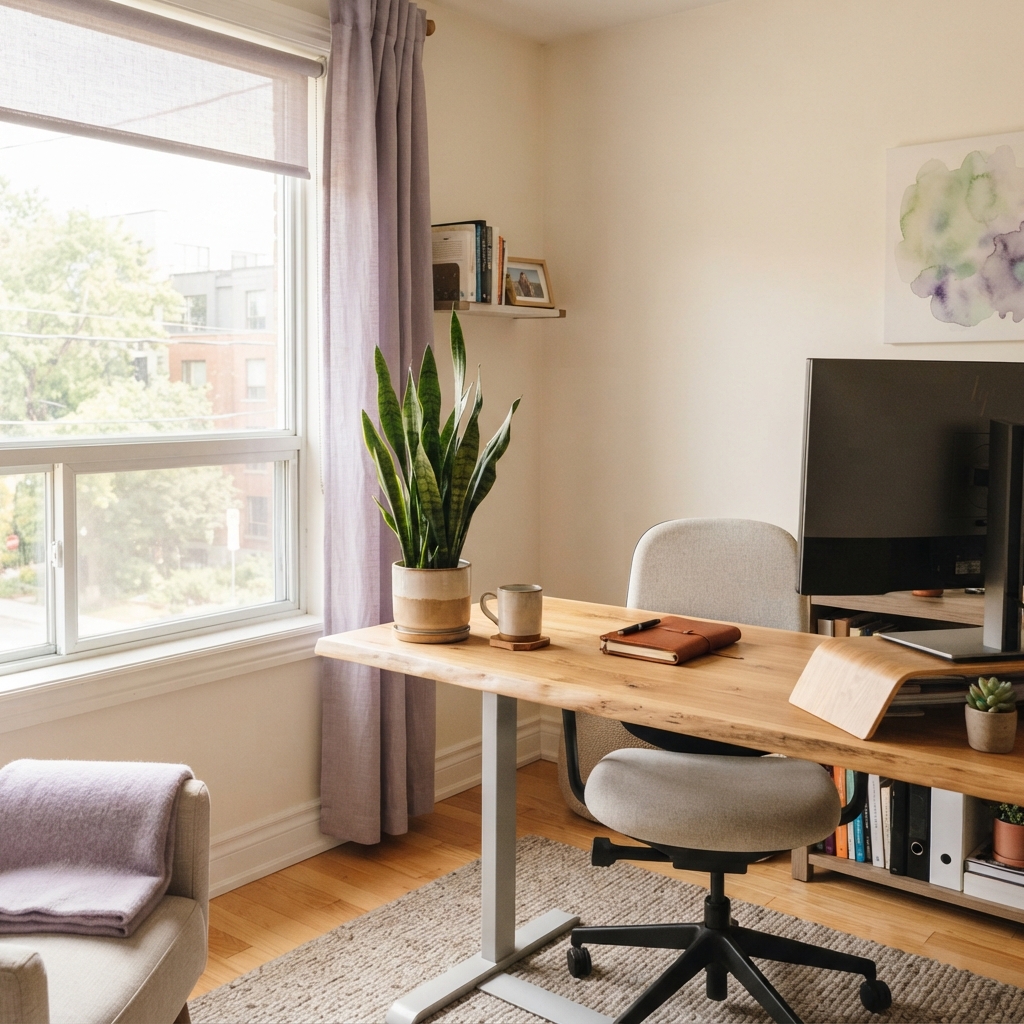
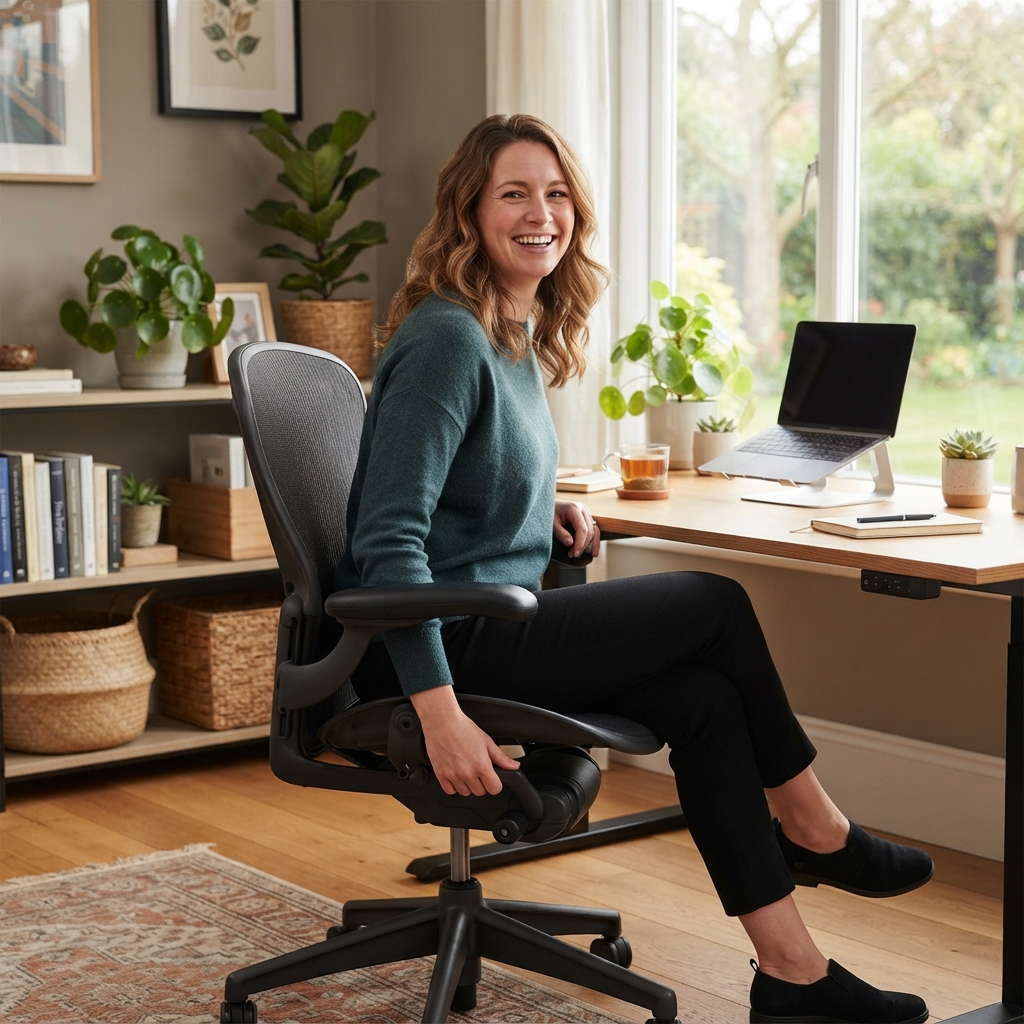
Seating: Ergonomic chairs, lumbar supports, and footrests can improve posture during desk work.
Desk setup: Desks, monitor arms, and keyboard trays can help employees create an adjustable workstation.
Display equipment: Monitors and screen accessories can support more comfortable viewing positions.
Input tools: Ergonomic keyboards, mice, and similar accessories can reduce awkward hand positioning.
Accessibility tools: Employers can include equipment that helps employees adapt their work environment to individual needs.
Why Ergonomics Needs More Than a Furniture Budget
An ergonomic equipment allowance for staff works best when it is paired with guidance on proper setup, not treated as a one-time shopping exercise. Office ergonomics involves how the chair, display, keyboard, lighting, and work surface interact, and office ergonomics guidance can help teams explain those choices clearly. Employees may need different items, even when their roles appear similar.
How Employers Can Build a Workable Claim Process
A flexible employee spending account Canada program needs boundaries that employees can understand before they make a purchase. The goal is not to police each home office, but to create consistent decisions across departments and prevent managers from interpreting rules differently.
Set Categories, Evidence, and Ownership Before Launch
Start by deciding whether equipment is reimbursed as a personal wellness expense or supplied as company-owned property. That choice affects offboarding, replacement expectations, and whether an employee can keep an item after leaving. Employers should also document which receipts, product details, and claim descriptions are needed for review.
A WSA guide 2026 should state whether bundled purchases are accepted, how duplicate claims are handled, and which household items are outside scope. These details reduce claim back-and-forth and make the benefit feel dependable rather than discretionary.
Tax treatment deserves the same care. A wellness account is generally different from a health spending arrangement, and a wellness account vs taxable stipend for equipment analysis should be reviewed with qualified tax and payroll advisers before the program is communicated. Employers should avoid presenting a wellness reimbursement as automatically tax-free when tax treatment depends on the plan structure and the expense involved.
Use Technology to Keep Administration Consistent
Employees should be able to submit a receipt, see the claim status, and understand the remaining balance without contacting HR for routine questions. A wellness spending account Canada approach is easier to manage when the plan records approvals and applies the same eligibility settings for everyone covered by a category.
GoKlaim allows employers to customize eligible expense categories and individual or department-level allowances, including home office equipment. Its web portal and mobile app also give employees a place to submit claims and monitor reimbursements, which helps turn a policy document into an operational benefit.
Keep the Policy Fair Across Different Work Arrangements
Remote work setup stipend policies can create resentment if they only serve fully remote employees while overlooking hybrid staff who work from home regularly. Eligibility should be tied to a documented work arrangement or role need, applied consistently, and reviewed when workplace expectations change.
Conclusion
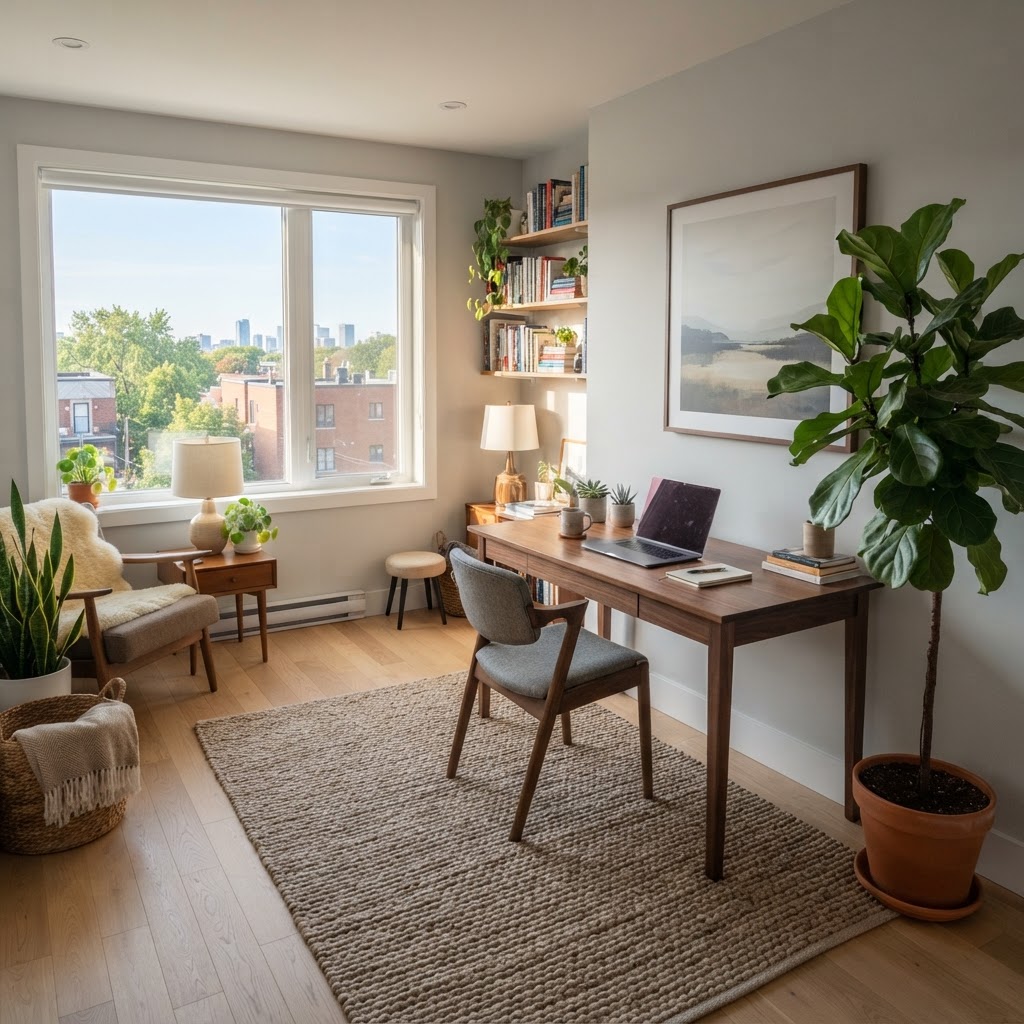
Home office support becomes more useful when employees can select equipment that solves their actual workstation problem. Employers should define eligible categories, establish a consistent evidence process, and confirm payroll and tax handling before launch. A WSA for home office needs can complement traditional coverage while giving teams more autonomy over how they work comfortably. For organizations seeking an adaptable benefits structure, explore GoKlaim and its configurable spending account options.
Frequently Asked Questions (FAQs)
What home office equipment is eligible under a wellness spending account?
Home office equipment eligible under a wellness spending account depends on the employer’s plan rules, but common approved categories can include ergonomic seating, desks, monitors, keyboard accessories, and tools that support an accessible or comfortable workstation.
Can wellness accounts be used for ergonomic chairs?
Wellness accounts can be used for ergonomic chairs when the employer has specifically included seating or ergonomic equipment in the eligible expense categories and the employee provides the documentation required by the plan.
Can employees use wellness funds for computer equipment?
Employees can use wellness funds for computer equipment only when the plan explicitly permits it, because employers may limit claims to ergonomic accessories and exclude general technology purchases or employer-provided devices.
Is a desk and monitor covered under employee wellness funds?
A desk and monitor may be covered under employee wellness funds if the employer’s policy identifies workstation furniture and display equipment as eligible, with consistent rules for receipts, replacement purchases, and claim review.
Are work from home stipends taxable benefits in Canada?
Work from home stipends may be taxable benefits in Canada, so employers should obtain payroll and tax advice on their specific reimbursement design rather than assuming that a flat payment receives the same treatment as every benefit plan.
About the Author
Amanda Brooks is a Senior Content Writer specializing in employee benefits, workplace wellness, and HR technology. Her work translates benefits administration concepts into practical guidance for employers building more flexible and employee-centered programs.