





Quick Answer
Yes, a wellness spending account can reimburse home office equipment when the employer explicitly includes it as an eligible category. Ergonomic chairs, sit-stand desks, monitors, keyboards, and task lighting are the most common covered items, and employees submit receipts for reimbursement up to their allocated allowance.
Introduction
Can a wellness spending account really pay for the ergonomic chair sitting in your employee's spare bedroom? In most Canadian setups, yes, as long as the plan design lists home office equipment as an eligible category. Remote and hybrid work has pushed physical wellbeing far beyond gym memberships and meditation apps, and employers are quietly rewriting their WSA rules to reflect that shift. HR leaders are finding that bundling home office support into an existing wellness account is cheaper and more flexible than launching a separate stipend program. The catch is knowing which items qualify, how the tax treatment differs from a fixed allowance, and how to communicate the rules so employees actually use the benefit.
Key Takeaways:
A wellness spending account can cover ergonomic and home office equipment when the employer designates it as an eligible category.
WSA reimbursements for home office items are generally taxable to the employee, unlike medical expenses paid through an HSA.
Bundling home office support into a WSA is more flexible and cost-efficient than running a separate equipment stipend.
What Home Office Equipment Qualifies Under a WSA
Unlike a health spending account, which follows Canada Revenue Agency medical expense rules, a wellness spending account is defined by whatever categories the employer chooses to include. That flexibility is exactly why a wellness spending account for home office coverage works so well, because the plan sponsor can decide that a lumbar-supporting chair is just as valid as a yoga class.
Common WSA Eligible Home Office Expenses
Most Canadian employers who open their WSA to remote work equipment include a mix of ergonomic essentials and productivity tools. The goal is supporting remote worker physical health without turning the account into an unlimited electronics budget.
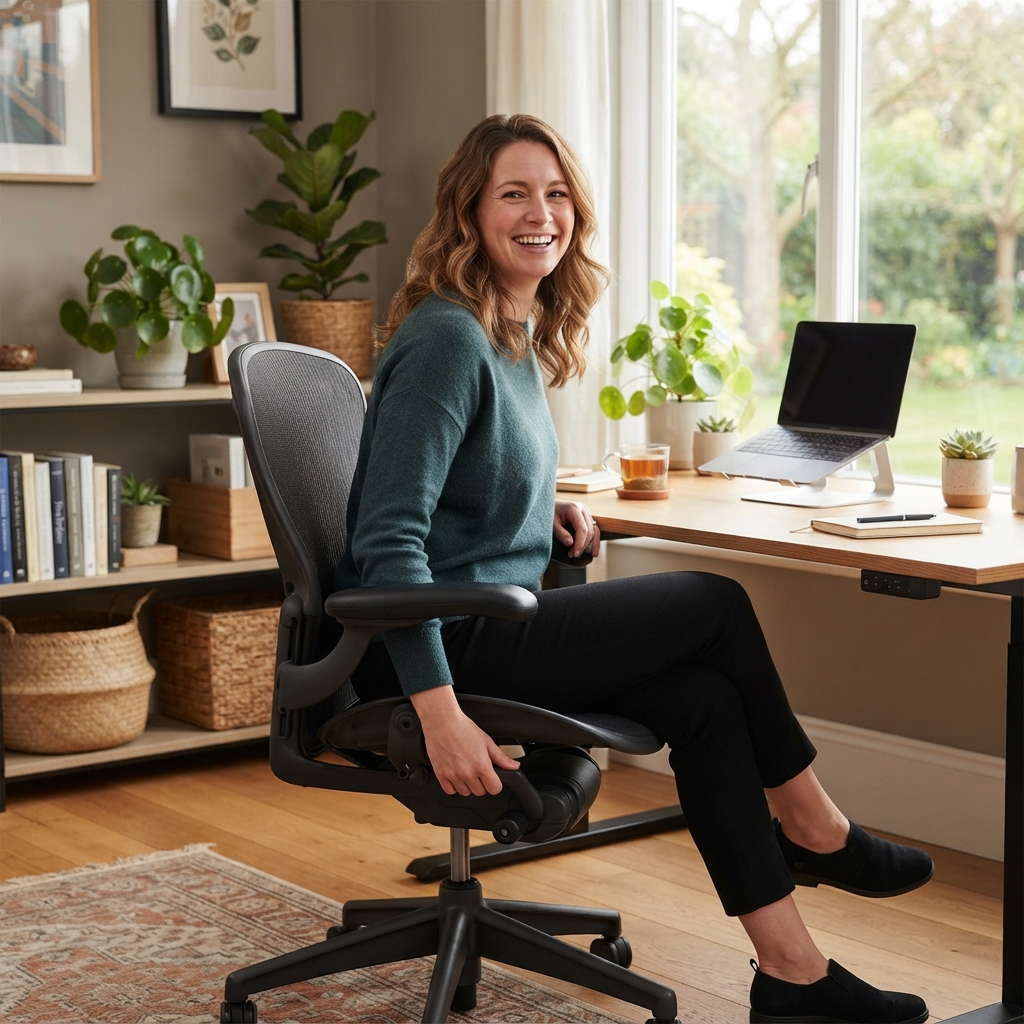
Ergonomic chairs: Task chairs with adjustable lumbar support, armrests, and seat depth.
Sit-stand desks: Manual or electric height-adjustable desks and desk converters.
Monitors and monitor arms: External displays and mounts that reduce neck strain.
Peripherals: Ergonomic keyboards, vertical mice, wrist rests, and footrests.
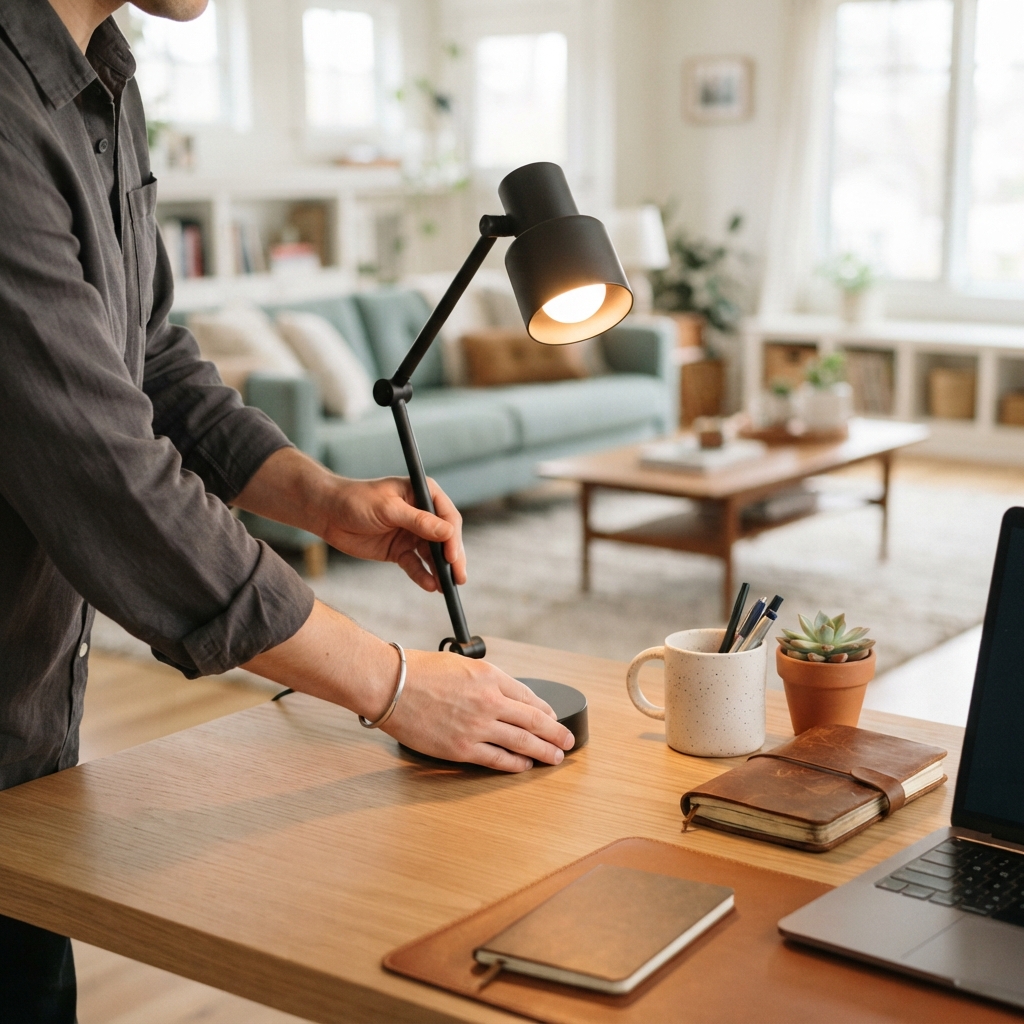
Task lighting: Desk lamps designed to reduce eye fatigue during long screen hours.
Items Employers Typically Exclude
Even generous programs draw a line at consumer electronics that stretch the definition of wellness. Laptops, smartphones, gaming accessories, and general home furniture are usually excluded because they either overlap with company-issued hardware or blur the line between personal and professional use. Clear written rules prevent awkward claim denials later, and most employers using a modern wellness spending account platform configure these exclusions directly in the software so ineligible submissions never reach the approval queue.
WSA vs Other Approaches to Home Office Support
How does a WSA stack up against the two other common options, a fixed stipend or trying to squeeze equipment into a health spending account? Each approach has real tradeoffs in flexibility, tax treatment, and administrative overhead.
Comparing WSA, Fixed Stipend, and HSA
The table below breaks down how each option handles home office equipment for a typical Canadian employer. It is worth reviewing before finalizing plan design, especially if you are weighing WSA versus health spending accounts for your remote team.
Feature | Wellness Spending Account | Fixed Home Office Stipend | Health Spending Account |
|---|---|---|---|
Covers ergonomic equipment | Yes, if employer includes it | Yes | Rarely, only with medical note |
Receipt required | Yes | Usually no | Yes |
Taxable to employee | Yes | Yes | No |
Also covers gym, courses, mental health | Yes | No | No |
Unused funds | Can roll over | Lost | Can roll over |
The takeaway is that a WSA gives you the widest coverage for the same dollar because it doubles as a general wellness benefit. A fixed stipend is simpler but limited to one purpose, and an HSA is the wrong tool for equipment unless the item is medically prescribed.
Why Employers Are Choosing WSAs for Remote Teams
Employer-reimbursed home office setups used to mean shipping a chair from the company warehouse. That model does not scale for distributed teams across Toronto, Montreal, and Vancouver, each with different preferences and space constraints. A wellness allowance lets employees choose equipment that actually fits their body and their room, which research consistently ties to better focus and lower burnout, with wellness programs linked to productivity gains reported by over 90% of business leaders. For Quebec and Ontario employers in particular, the ability to bundle equipment with mental health and fitness benefits in one WSA eligible expenses list is a meaningful simplification.
Setting Up Home Office Coverage in Your WSA
Adding equipment coverage to an existing wellness account is mostly a policy exercise, not a technical one. The heavier lift is deciding the rules, documenting them, and communicating them clearly to employees.
Structuring Eligibility and Allowances
Start by deciding whether equipment gets its own sub-cap or shares a single wellness pool. A common structure is a total annual WSA of $750 to $1,500 with a sub-limit of $500 for home office items in year one, dropping to $250 in subsequent years once the initial setup is complete. Employers building the program from scratch can follow a standard playbook for setting up a wellness spending account, then layer equipment rules on top. Best practice, according to the Canadian Centre for Occupational Health, is to shape wellness initiatives through joint input from management and employees so the categories actually reflect what people need.
Tax Considerations Employers Should Know
Reimbursements from a WSA are generally treated as a taxable benefit to the employee in Canada, reported on the T4. This is the main tradeoff versus an HSA, which is non-taxable but restricted to CRA-approved medical expenses. For most home office items, there is no medical prescription, so the WSA path is the practical one even with the tax hit. GoKlaim handles the tracking and year-end reporting automatically, which removes the biggest administrative headache for payroll teams. Employers should also weigh the mental health impacts of remote work, and the psychosocial workplace safety guidance is a useful reference when writing internal policy.

Conclusion
Home office equipment is one of the most practical categories you can add to a wellness spending account in 2026, and it costs almost nothing to implement if you already have a WSA in place. The winning formula is clear eligibility rules, a reasonable sub-cap, and a claims process that does not frustrate employees. Providers like GoKlaim make the operational side straightforward by letting you configure categories, set limits, and automate approvals inside a single platform. Compared to a rigid stipend or a mismatched HSA, a well-designed WSA gives you the flexibility to support ergonomic health today and adapt the categories as remote work continues to evolve. Take a fresh look at your plan design this quarter and ask whether it reflects how your people actually work.
Curious how a modern wellness benefit could support your remote team's home office needs? Explore GoKlaim's flexible WSA platform to see how easy it is to add home office coverage without launching a whole new program.
Frequently Asked Questions (FAQs)
What can I buy with my wellness spending account?
Eligible purchases depend on your employer's plan, but common categories include gym memberships, mental health services, fitness equipment, professional development, and home office items like ergonomic chairs and desks.
Are home office desks eligible for wellness accounts?
Yes, sit-stand and standard desks are typically eligible when the employer includes home office equipment as a WSA category, though laptops and consumer electronics are usually excluded.
Can wellness accounts be used for ergonomic office chairs?
Ergonomic office chairs are one of the most commonly approved WSA purchases because they directly support physical wellbeing during long remote work hours.
Can GoKlaim cover ergonomic equipment expenses?
GoKlaim lets employers configure ergonomic equipment as an eligible WSA category, and employees can submit claims through the mobile app for fast reimbursement.
How do employees submit claims for home office equipment?
Employees upload a receipt through the WSA platform or mobile app, select the equipment category, and receive reimbursement directly to their bank account once approved.
Is a wellness spending account considered a taxable benefit in Canada?
Yes, WSA reimbursements are generally taxable to the employee and reported on the T4, which differs from HSA reimbursements that remain non-taxable when tied to eligible medical expenses.
What is the process for company-funded home office setups?
Most Canadian employers now use a WSA with a defined equipment sub-cap, letting employees choose and expense their own gear rather than shipping standardized company hardware.
About the Author
Sarah Mitchell is a workplace benefits writer who specializes in making complex HR and benefits topics simple and practical for employers, HR teams, and brokers. She focuses on helping Canadian organizations design flexible spending accounts and wellness programs that employees actually use and appreciate.