





Quick Answer
Yes, a wellness spending account can cover home-office equipment when an employer has included that category in its plan rules. Eligibility is employer-defined, so an ergonomic chair, monitor, desk, or lighting purchase is reimbursable only when the plan’s approved expense list and claim requirements support it.
Introduction
Home-office equipment is not automatically covered by a wellness spending account, but it can be a practical and permitted benefit category. The deciding factor is the employer’s plan design, not whether an item is commonly used for remote work. Employees should review the eligible-expense policy before buying, while employers should make category rules specific enough to prevent avoidable claim disputes. A chair that supports sound posture may be easier to justify than a decorative office accessory with no functional purpose.
Key Takeaways:
Home-office claims depend on the employer’s written WSA rules.
Functional ergonomic equipment is commonly easier to approve than decorative items.
Receipts and clear category definitions reduce reimbursement delays.

Wellness Spending Account Rules for Home-Office Purchases
A wellness spending account is an employer-funded allowance for selected lifestyle, wellness, and work-supporting expenses. Unlike a health plan with a fixed insurer schedule, a WSA can be configured around an organization’s workforce, budget, and intended outcomes, which is why WSA home-office coverage varies from one employer to another.
What makes a home-office item eligible?
An item generally qualifies when it fits the plan category, serves a defined work or wellness purpose, and is supported by a valid receipt. Employers should state whether the category is limited to ergonomic equipment, includes technology, or permits general workspace improvements, because vague rules shift judgment calls to claim reviewers.
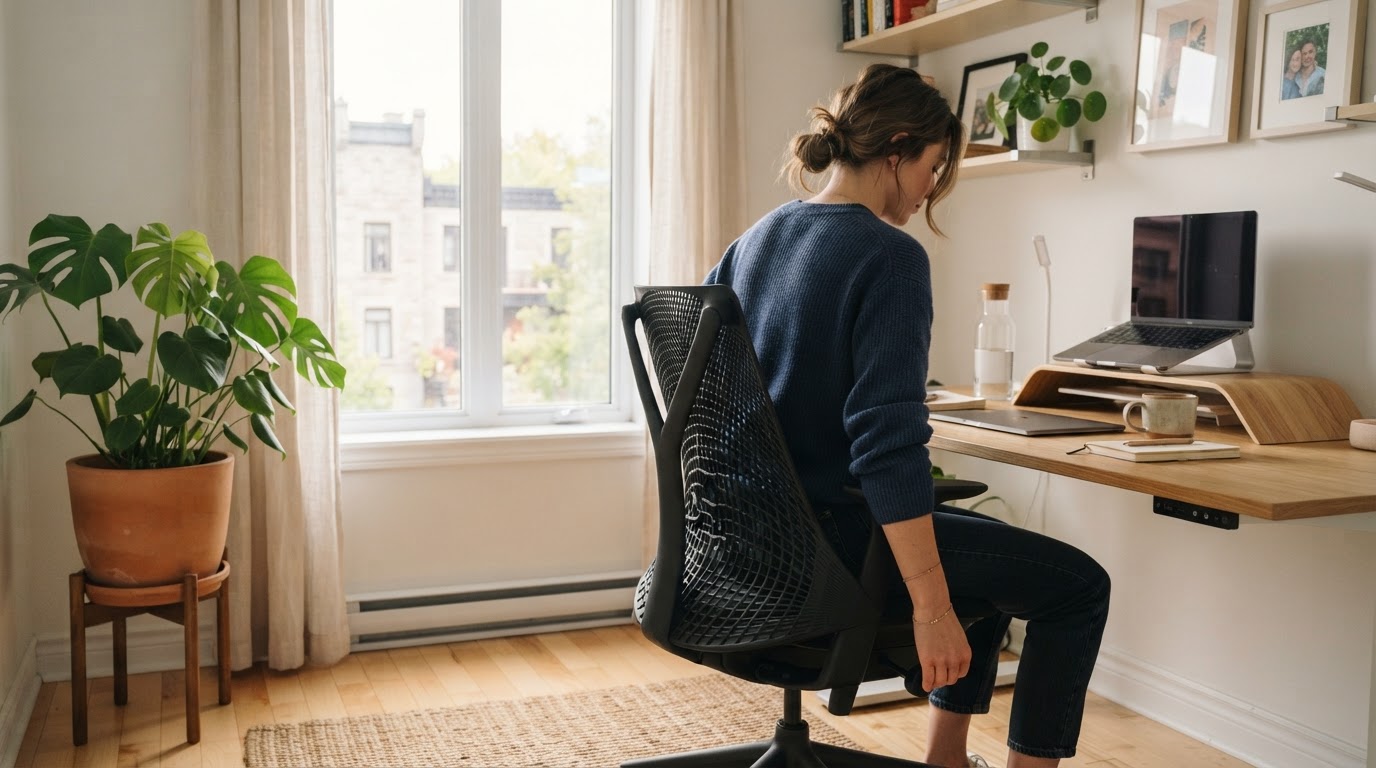
Ergonomic chair: Supports seated posture during work.
Adjustable desk: Enables position changes during the day.
Monitor: Can improve screen placement and visibility.
Task lighting: Supports a functional work area.
Keyboard tray: Helps position input devices comfortably.
Employers evaluating which items to approve can also draw on the Canadian Centre for Occupational Health and Safety’s ergonomic furniture guidance, which frames ergonomic equipment as a process of matching furniture to the worker rather than a single product purchase.
Commonly excluded purchases and why
Plans often exclude items with a primarily personal, decorative, or household purpose, such as artwork, general furniture, home renovations, and non-work electronics. The distinction matters because the policy should describe eligible home-office equipment by purpose, not just by product name. Guidance on ergonomic office setup also reinforces the practical connection between furniture placement, screen position, and comfortable work habits.
WSA Eligible Expenses: How Employers Set the Boundaries
Employers control which expenses their WSA will reimburse, including whether home-office purchases are included at all. This control is useful, but it requires a decision framework that employees can understand and administrators can apply consistently.
Compare practical equipment with personal household spending
A useful policy distinguishes purchases that create a usable work environment from purchases that mainly improve a residence. The table below shows how an employer might define home-office expense treatment without assuming that every item is covered in every plan.
Purchase type | Typical WSA treatment | Policy detail to define |
|---|---|---|
Ergonomic chair | May qualify | Whether ergonomic furniture is included |
Standing or adjustable desk | May qualify | Whether desks are covered or furniture is excluded |
External monitor | May qualify | Whether technology is eligible |
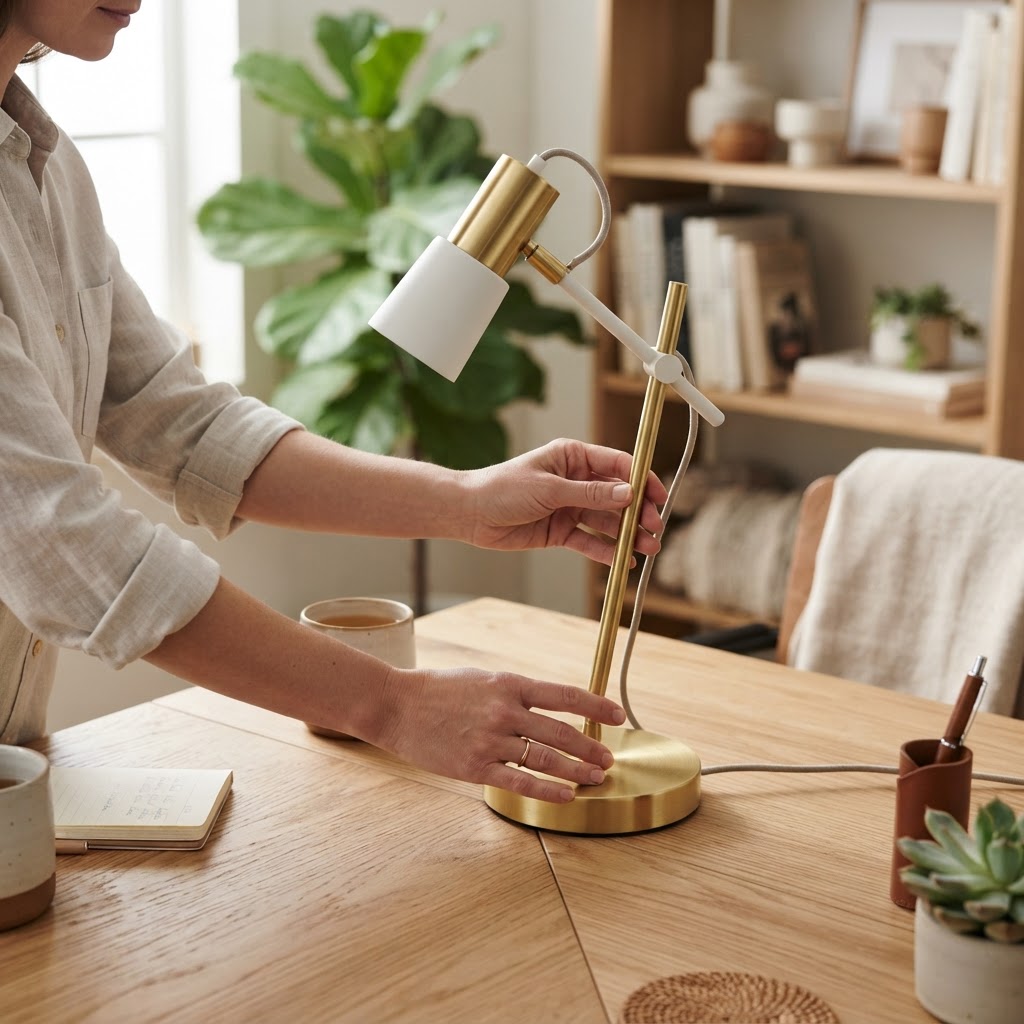
Desk lamp | May qualify | Functional lighting versus decorative lighting |
Artwork or décor | Commonly excluded | Personal and decorative purchases excluded |
Home renovation | Commonly excluded | Permanent property improvements excluded |
The central tradeoff is flexibility versus certainty. Broad categories give employees more choice, while narrower definitions make claims easier to administer and communicate. For a broader overview of plan-defined categories, review WSA eligible expenses for Canadian employees.
Separate a WSA from a health spending account
A decision about wellness account home-office coverage should not be confused with a health spending account claim. A health spending account is intended for eligible medical expenses, whereas a WSA can be designed around broader wellness categories, including approved work-from-home supports; the tax treatment should be confirmed with the employer’s benefits adviser because wellness reimbursements may be taxable benefits.
Employers building employee wellness programs should document the category, eligible item types, receipt standards, and any allowance restrictions in one accessible policy. The CRA’s taxable benefits guidance illustrates why plan documentation matters: reimbursement categories and the resulting tax treatment must be clear enough for employees to know what can be claimed, and how it will appear on their T4, before they spend.
How Employees and HR Teams Can Avoid Denied Claims
The most reliable approach is to check the plan before purchase, retain an itemized receipt, and submit a concise description of the equipment’s intended use. Employees should not assume that a similar item approved for a colleague will be eligible under every department, allowance, or plan year.
Build a claim process that employees can follow
Employees should start with the policy wording and search the home-office category for the item they want to buy. If the wording is unclear, asking HR or the benefits administrator before payment is more efficient than seeking reimbursement afterward, particularly for higher-cost equipment or purchases that blend personal and professional use.
Employers should use examples, exclusions, and consistent claim notes rather than relying on unwritten practice. A platform such as GoKlaim lets employers customize benefit categories and allowances, so home-office support can be included without treating every household purchase as a wellness claim.
Use policy language that stands up to routine review
Clear policy language can state that an eligible item must support ergonomics, workstation functionality, or remote-work productivity, while excluding décor, renovations, and expenses already reimbursed elsewhere. This approach supports a defensible review process and gives employees practical direction on claims for WSA home-office equipment.
Conclusion
A WSA can help fund a home office, but only when the employer has expressly approved that expense category. Employees should confirm eligibility before purchasing and keep complete receipts, while HR teams should define permitted items and exclusions in plain language. For Canadian employers seeking flexible benefit administration, GoKlaim can support customized health and wellness categories, including employer-defined home-office equipment. Clear rules turn a flexible benefit into a dependable remote-work perk.
Want clearer benefit categories for remote teams? Explore GoKlaim for configurable wellness spending accounts.
Frequently Asked Questions (FAQs)
What expenses qualify for a wellness spending account?
What qualifies for a wellness spending account is determined by the employer’s plan policy and can include approved wellness, fitness, professional development, or home-office categories, provided the employee submits the required documentation and the purchase fits the stated rules.
How does a WSA work for employees?
A WSA works for employees by giving them access to an employer-funded allowance that can be used for approved categories, after which they submit a claim through the designated process and receive reimbursement when the claim is accepted.
Is a wellness spending account considered a taxable benefit?
A wellness spending account may be considered a taxable benefit because reimbursements for non-medical expenses can be treated differently from qualifying health benefits, so employees should review the payroll treatment communicated by their employer.
Can wellness spending accounts be used for gym memberships?
Wellness spending accounts can be used for gym memberships when the employer has listed fitness memberships as an eligible category, but coverage is not automatic and may depend on the plan’s receipt and membership documentation requirements.
What is a wellness spending account?
A wellness spending account is an employer-funded benefit that reimburses employees for a defined set of non-medical wellness and lifestyle expenses, with the employer setting the categories, allowances, and claim requirements.
Does a WSA cover home office equipment in Quebec businesses?
A WSA can cover home-office equipment in Quebec businesses when the employer’s plan includes that category, because the applicable benefit design and reimbursement rules are set by the organization rather than by the equipment alone.
About the Author
Stephen Bray is Chairman of Moana Technologies and a serial chairman across Koverhoop and InnoStart Capital. As a CPA, CA, CF, and CBV, he brings corporate finance, valuation, and health and wellness benefits expertise to practical questions about modern employee benefits.